
CD20 Protein Human Recombinant Antibody: A Reliable Tool for B-cell Research and Immunotherapy Studies
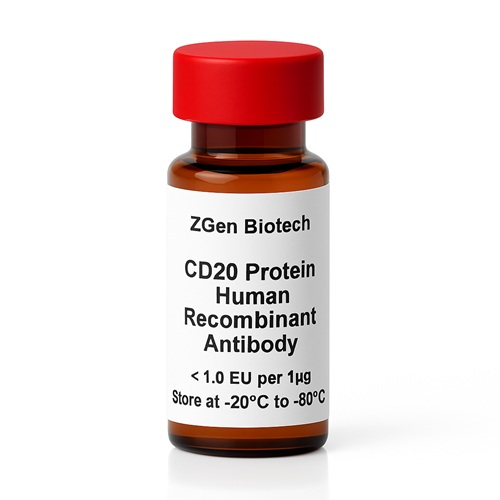
The CD20 Protein Human Recombinant Antibody is a highly specific and functional research reagent designed to support advanced immunological and oncology studies. This antibody targets CD20, a membrane-embedded B-cell surface protein, making it an essential tool for understanding B-cell function, signaling, and related therapeutic mechanisms.
Used widely in cancer immunotherapy and diagnostic applications, this human recombinant antibody combines precision, reproducibility, and purity — ideal for both basic and translational research.
What is CD20 Protein Human Recombinant?
CD20 Protein is a non-glycosylated phosphoprotein expressed on the surface of pre-B and mature B lymphocytes. It plays a crucial role in B-cell activation, proliferation, and calcium ion transport. Because of its consistent presence on B-cells and absence in stem cells or plasma cells, CD20 is a critical biomarker for diseases like Non-Hodgkin’s Lymphoma (NHL) and Chronic Lymphocytic Leukemia (CLL).
Targeting CD20 through specific human recombinant antibodies has revolutionized B-cell–related disease research and therapy, especially in the development of monoclonal antibodies and targeted treatment strategies.
Why CD20 Protein Human Recombinant Antibody is Important?
The CD20 Protein Human Recombinant Antibody is produced using advanced recombinant technology to ensure superior specificity and batch-to-batch consistency. Unlike conventional antibodies derived from animals, this human antibody is generated in a controlled cell culture system, offering a higher degree of purity and reduced immunogenicity.
This antibody is ideal for applications including flow cytometry, Western blotting, immunohistochemistry, ELISA, and therapeutic target validation.
Specification of CD20 Protein Human Recombinant
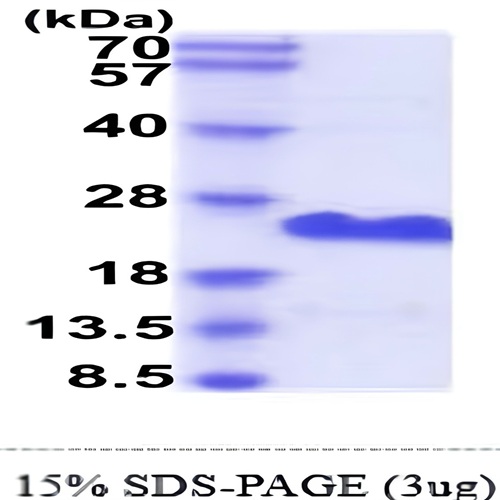
Purity: >90%, by SDS-PAGE
Endotoxin Level: < 1.0 EU per 1ug of protein (determined by LAL method)
Predicted Molecular Mass: 11.1 kDa.
Protein / Peptide Type: Recombinant Protein
Formulation: PBS (pH 7.4), 10% glycerol
Preservative: No Preservative
Concentration: 0.5 mg/ml
Stability & Storage: Store at 4C short term. Aliquot and store at -20C
Key Features of CD20 Protein Human Recombinant Antibody
🧬 High Specificity: Recognizes human CD20 with exceptional binding affinity.
💧 Recombinant Expression: Ensures consistent quality and reduced lot-to-lot variation.
🔬 Human Antibody Format: Offers reduced background reactivity and better compatibility in human models.
⚗️ Validated Applications: Optimized for Western blot, IHC, ELISA, and flow cytometry.
📦 Purity Guaranteed: Produced under strict quality control to maintain >95% purity.
❄️ Stable Storage: Long-term stability at 4°C, maintaining functional integrity.
Benefits of Using CD20 Protein Human Recombinant Antibody
- Reliable Performance: Provides accurate and reproducible results across experiments.
- Therapeutic Relevance: Ideal for B-cell lymphoma and leukemia research models.
- Humanized Design: Minimizes non-specific binding and enhances performance in human assays.
- Research Versatility: Suitable for both diagnostic and preclinical studies.
- Enhanced Sensitivity: Detects low-abundance CD20 expression with minimal background interference.
Applications
- Cancer Immunotherapy Research
- Flow Cytometry Analysis of B-cell populations
- Western Blotting and ELISA detection of CD20 expression
- Immunohistochemistry (IHC) for tissue localization studies
- Drug Discovery and Validation of monoclonal antibody targets
Storage and Stability
Store the CD20 Protein Human Recombinant Antibody at 4°C for long-term stability. Avoid repeated freeze-thaw cycles to preserve antibody activity and structural integrity.
Conclusion
The CD20 Protein Human Recombinant Antibody is an indispensable reagent for researchers studying B-cell biology, lymphoma progression, and therapeutic antibody development. With high specificity, human compatibility, and recombinant purity, this antibody delivers the precision and reliability demanded by modern biomedical research.
For laboratories focused on immuno-oncology, cell signaling, or therapeutic antibody development, this product provides consistent, high-quality performance to drive meaningful discoveries.


Reviews
There are no reviews yet.